by: Chloe Curry, Early Learning Policy and Systems Fellow at SESEC
It takes a village to raise a child.
Like me, you’ve probably heard this saying a thousand times. The phrase is widely associated with several African cultures and oral traditions. For example, in Igbo, a language spoken in Nigeria, the proverb Ora na-azu nwa translates to “It takes the community to raise a child”. Across cultures, similar sayings reflect deep-rooted communal values where neighbors, elders, and peers all play a role in supporting and teaching younger generations. Raising, guiding, and nurturing a child is not the task of the parents alone, but of an entire community working together to support their growth and wellbeing.
But what does it really mean to be part of that village, and what responsibilities do we share, even when we’re not the ones raising children?
The Village Doesn’t End at Your Front Door
When we talk about raising children, we tend to focus on parents, caregivers, and teachers. While they do play an enormous role, children don’t grow up in isolation. Their experiences are shaped by the people, places, and communities around them, often in ways we don’t immediately recognize as education.
We tend to think of education as something that happens solely within the four walls of a classroom. But education and schooling aren’t exactly the same thing.
Schooling is the formal, institutionalized process of learning–think lesson plans and curricula. Education, on the other hand, is a broader, lifelong process of acquiring knowledge, skills, and values through our experiences and interactions with the world around us. From the relationships children build with their caregivers to their families’ cultural traditions and the communities they grow up in, these early experiences shape how children understand themselves and the world. The children growing up in our communities today will eventually become our neighbors, coworkers, educators, healthcare workers, and community leaders. They are not just someone else’s kids. They are part of the future we are all going to share.
But children also deserve to be supported and valued for who they are right now, not just for who they will become. Their well-being matters in the present, and the villages we create around them have consequences that extend far beyond any one household. This is why I see education as a collective responsibility, not simply an individual achievement. When children have the opportunities and support they need to thrive, our communities are stronger for it.
Learning Starts Long Before School
Here’s another thing worth remembering: early childhood education isn’t just about preparing kids to sit at desks and learn their ABCs. The early years are a time of incredible growth.
Children are developing language, learning how to navigate relationships, expressing emotions, exploring their surroundings, and just beginning to understand the world. So much of that learning happens outside traditional classrooms–it happens through play, conversations with caregivers, interactions with neighbors, and everyday experiences that help children feel safe, curious, and connected.
However, access to these opportunities isn’t equal. For many families including those in Southeast Seattle, finding affordable, quality childcare or early learning programs can be a challenge. Add in transportation, housing stability, language barriers, and the need for culturally responsive services, and it becomes clear that the ability to access early learning is about much more than individual choice.
This is where equity comes in. For us, equity means recognizing that children and families have different circumstances, needs, and barriers, and ensuring they have the resources and opportunities necessary to thrive. In early education, that means looking beyond whether programs simply exist and asking who can access them, whose needs are being met, and who continues to be left out.
These are community issues, policy issues, and equity issues. After all, building a village isn’t just about showing up for children individually, it is also about creating the conditions that allow children and families to thrive.
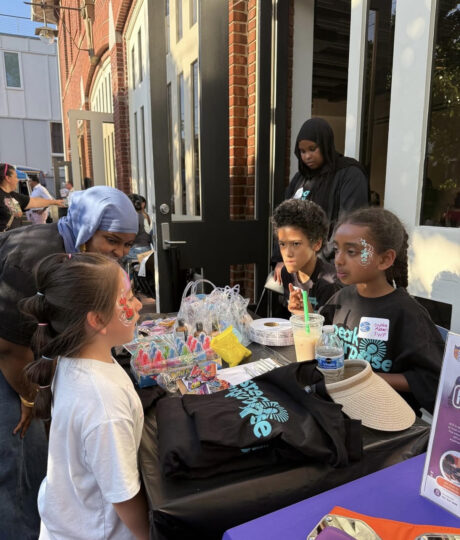
So, Where Does SESEC Fit?
At the Southeast Seattle Education Coalition (SESEC), our work has historically focused on K–12 education–bringing communities of color together to advocate for a more equitable education system. But educational equity doesn’t magically begin when a child turns five. The experiences children have before kindergarten are connected to the opportunities they’ll encounter throughout their lives. And if we’re serious about building an equitable education system, we have to think about what happens before children even enter a school classroom.
This is part of why SESEC is expanding its involvement in early learning. As we explore this space, we’re thinking about the policies, resources, and systems that shape early childhood experiences, particularly for families and communities of color in Southeast Seattle. We’re also thinking about whose voices are included in those conversations, and how we can support families and communities in advocating for what they need.
This isn’t about moving away from our K–12 work, but recognizing that education is a continuum, and that supporting children and families earlier is part of building a more equitable system overall.
A Village Is a Verb
I don’t have kids, but they are part of my village. I am in community with them, and I benefit from the work of educators, caregivers, and families who help them grow.
That is why I care about early childhood education. Not because I am a parent, but because I am part of the village. And whether we are parents or not, being part of that village means recognizing that we all have a role to play in supporting children’s well-being. This could look different for each of us, whether it is advocating for policies that make childcare more accessible, supporting equitable funding, listening to families, or simply recognizing that the well-being of children is connected to the well-being of our communities.
Because a village isn’t just something we belong to–it’s something we actively build and sustain, together.
About Blog Series: This blog series explores the issues shaping our communities and the ways we understand and respond to them. As SESEC’s Early Learning Policy & Systems Fellow, I’ll be writing about the intersection of public policy and community life, with a particular focus on early learning and the systems that support children and families. Beyond policy, this series will also explore broader questions about equity and the collective responsibility we share in creating communities where everyone can thrive.
Through this space, I hope to offer new perspectives, make important issues more accessible, and encourage thoughtful conversations about the communities we are building together. Please feel free to reach out to me at [email protected] with your comments, insights, or inquiries. Thank you for reading!