The Southeast Seattle Education Coalition advocates on behalf of the 22 public schools in a region considered among the most diverse in Washington state. We represent over 50 community-based organizations and have announced three main advocacy priorities for the upcoming calendar year based on community input and research.
- Restorative Youth School Safety
We must shift from a policing-based model of school safety to one rooted in racial justice, community care, and positive school culture.
Context:
The overwhelming passage of the 2025 Families, Education, Preschool, and
Promise (FEPP) Levy included $235 million for K-12 Health and Safety. This would include violence prevention efforts and school safety services, but it is not clearly defined whether the funds would go towards funding an SRO.
Focusing on the presence of armed officers as a solution for prevention will not work. Despite the increasing presence of SROs, there is no consistent evidence that they effectively prevent gun violence, according to research from The Journal of Policy Analysis and Management. Instead, suspensions, expulsions, police referrals and arrests are used at higher rates, resulting in disciplinary actions being the largest for Black students, male students, and students with disabilities.
What we are doing:
- Convening coalition members to discuss and highlight existing strategies for gun violence prevention and school safety.
- Publishing research by our fellows on the racialized impacts of School Resource Officers
- Advocating to Seattle Public Schools and the City of Seattle Department of Early Learning and Education to prioritize restorative practices
Progress Tracker:
- Published Op-Ed on Real Change News: Placing an SRO in schools is not the solution for school safety. Here’s what already works.
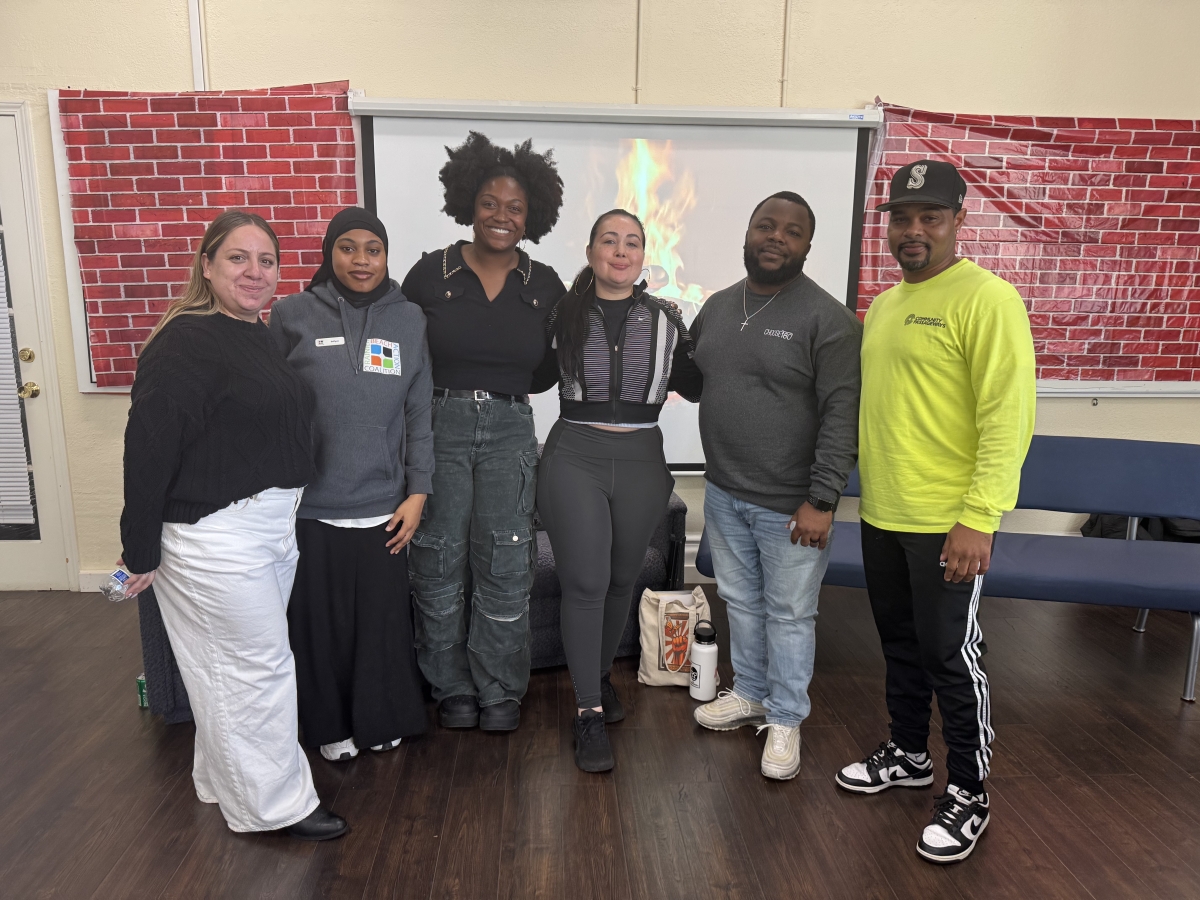
- Hosted November Coalition Meeting on Youth School Safety with RBAC, Community Passageways and CHOOSE180
- Attended and gave testimony at the Department of Education and Early Learning FEPP Levy Community Converations on December 16, 2025
- Community Partnerships Reform
We must prioritize a centralized community partnership model with local organizations within Seattle Public Schools.
As detailed in SESEC’s 2025 report, Left to Chance: Student Outcomes in Seattle Public Schools, many of these challenges are not new. The report highlights longstanding concerns from students, families, and CBOs, including:
Context:
In late spring 2025, Seattle Public Schools (SPS) restructured its central Partnerships Office, dissolving a once-unified team that had played a critical role in connecting the district with community-based organizations (CBOs). The office’s functions were redistributed across multiple central departments, following a series of serious safety incidents on school campuses.
- Inconsistent and unclear pathways for community partnership
- Barriers to equitable access and collaboration at the school level
- Fragmented communication from district leadership
- Lack of culturally responsive, community-rooted student supports
Districts that maintain strong, centralized, and equity-driven community partnerships are better positioned to support students holistically—academically, socially, and emotionally.
What we are doing:
We have convened an ad hoc committee to:
- Document current and past partnership experiences with SPS to identify barriers, bright spots, and lessons learned
- Conduct field research on how community partnership structures operate in neighboring districts
- Study national models and case studies from districts with strong, equity-centered community partnership systems
- Co-create a shared vision for community partnership at SPS, developed in collaboration with coalition partners
- Present the vision and recommendations to the new superintendent and district leadership as a unified statement from the community
- Offer continued support to SPS in building and sustaining bridges between the district, community organizations, youth, and families
- Holding Policymakers Accountable
We must continue our mission of convening communities of color to access public officials in order to hold them accountable on promises made.
Context:
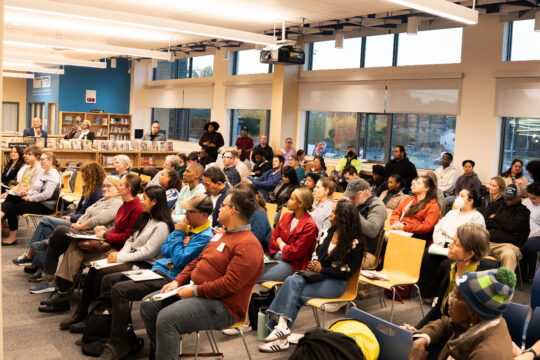
On October 15, 2025, SESEC, alongside other community partners, held its largest civic engagement event yet called the Seattle Education Forum. Over 150+ community members came to Rainier Beach High School to speak with a dozen Seattle mayoral, city council, school board, and King County executive candidates. A top concern was how to hold elected officials accountable for their decision-making.
What we are doing:
- Meeting consistently with elected officials and policy makers, including the City of Seattle Department of Education and Early Learning, the Superintendent, Seattle School Board, the city mayor, and city councilmembers, to follow progress on community concerns
- Organizing further town halls to connect community members directly with policymakers